The History and Evolution of Jewelry
Jewelry has always been a powerful form of expression, one that transcends cultures and time periods. The history of jewelry can be traced back thousands of years, with evidence of its use found in ancient civilizations across the globe. In ancient Egypt, for example, pharaohs and queens wore intricate necklaces, bracelets, and headdresses to signify their divine status and wealth. Jewelry was not only used to adorn the body, but also served as a symbol of power, protection, and spiritual significance. Over the centuries, jewelry evolved in both form and function. During the Middle Ages, rings and brooches became popular as symbols of nobility and fealty, while in Renaissance Europe, jewelry reached new heights of sophistication with the use of diamonds and precious gemstones. In more recent times, the industrial revolution and advances in technology have allowed jewelry to become more accessible to the masses, with mass production of designs and a greater variety of materials becoming widely available. Despite these changes, the role of jewelry as a means of personal expression has remained constant.
Necklaces: The Classic Adornment
Necklaces have been one of the most enduring types of jewelry, transcending both time and culture. Worn around the neck, necklaces have served various purposes throughout history, from symbolizing wealth and status to representing spiritual beliefs. Today, necklaces remain one of the most popular and versatile forms of jewelry. Necklaces come in a wide variety of styles, lengths, and materials, allowing individuals to express their personal taste. From simple chains to elaborate statement pieces, a necklace can elevate any outfit and convey a multitude of messages. Chokers, for instance, are often associated with a more contemporary, edgy style, while longer necklaces, such as the opera length, evoke a sense of elegance and sophistication. Materials for necklaces range from precious metals like gold, silver, and platinum to more affordable options like stainless steel, leather, and even fabric. Gemstones, pearls, and diamonds are frequently incorporated into necklaces for added luxury, while more modern designs may feature abstract shapes or minimalist elements. Many necklaces hold cultural and personal significance. In ancient Egypt, necklaces were often worn by royalty and elites as a symbol of power and divine favor. Today, necklaces continue to play an important role in various cultural and religious practices. For example, a locket can hold a photo of a loved one, while a cross necklace may hold deep religious meaning. Regardless of style, necklaces remain a timeless symbol of beauty and self-expression.
Earrings: Framing the Face
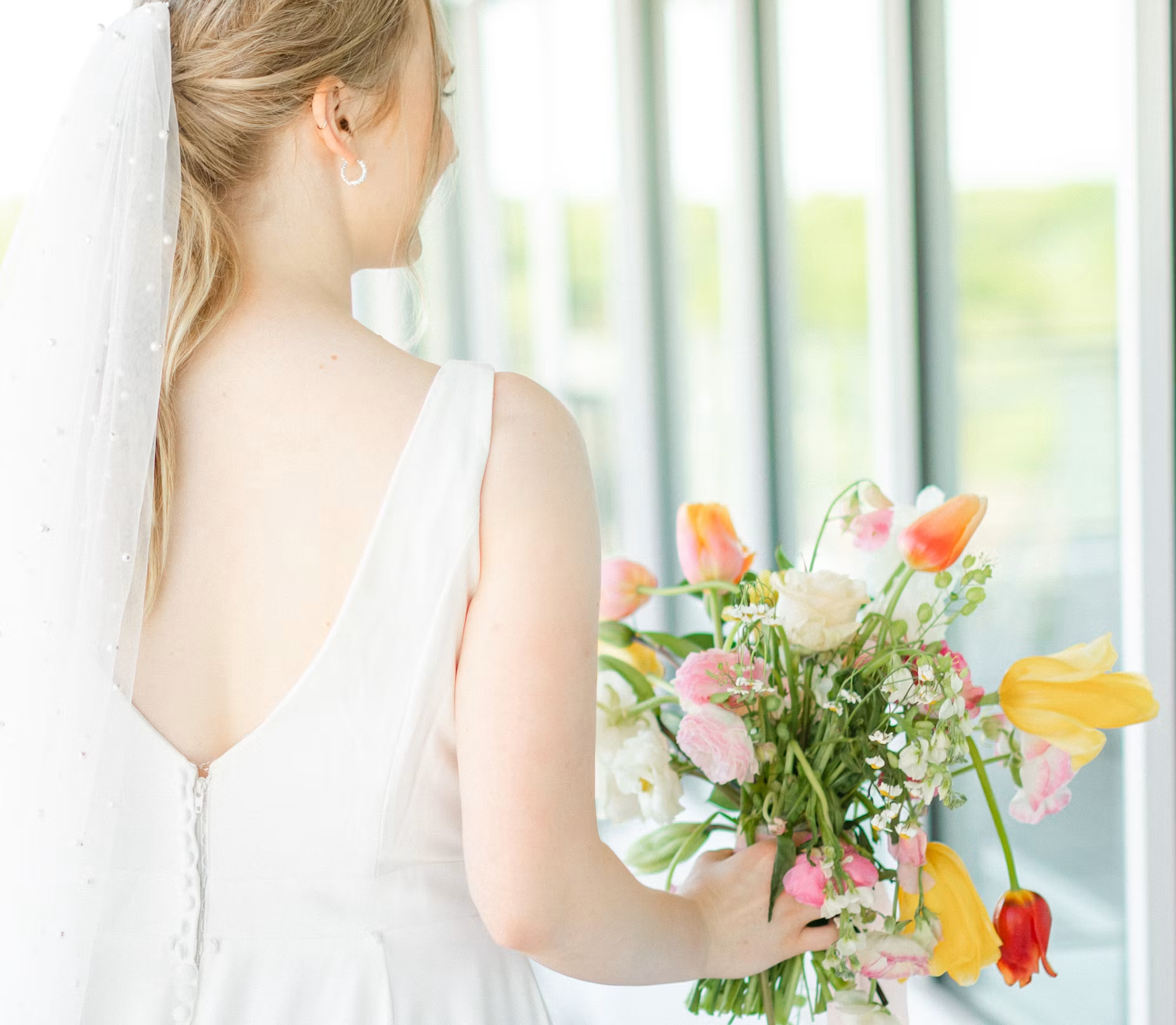
Earrings are one of the oldest forms of body adornment, with evidence of their use dating back to ancient times. Worn on or around the ears, earrings have been worn for a variety of reasons, from personal decoration to cultural and religious significance. Today, earrings continue to be one of the most popular forms of jewelry, with countless styles and designs available to suit every taste. Earrings come in many shapes and sizes, ranging from simple studs to elaborate hoops, drop earrings, and chandeliers. The materials used in earrings are as diverse as their designs. Precious metals like gold and silver are commonly used, but earrings can also be made from a variety of other materials such as stainless steel, titanium, and even plastic. Gemstones, diamonds, and pearls are often incorporated into earrings for added elegance and beauty. One of the most popular trends in recent years has been multiple ear piercings, where individuals wear a combination of studs, hoops, and cuffs on the same ear. This trend allows for creative and unique combinations, offering an opportunity to express personal style in new ways. Earrings have always had cultural significance as well. In ancient Egypt, for example, earrings were worn by both men and women as symbols of wealth and status. In modern times, earrings can be worn to signify cultural or social identity, such as the hoop earring, which carries significant meaning within African American culture. Whether for fashion, culture, or personal expression, earrings remain an essential piece of jewelry for many people.
Rings: A Symbol of Commitment and Identity
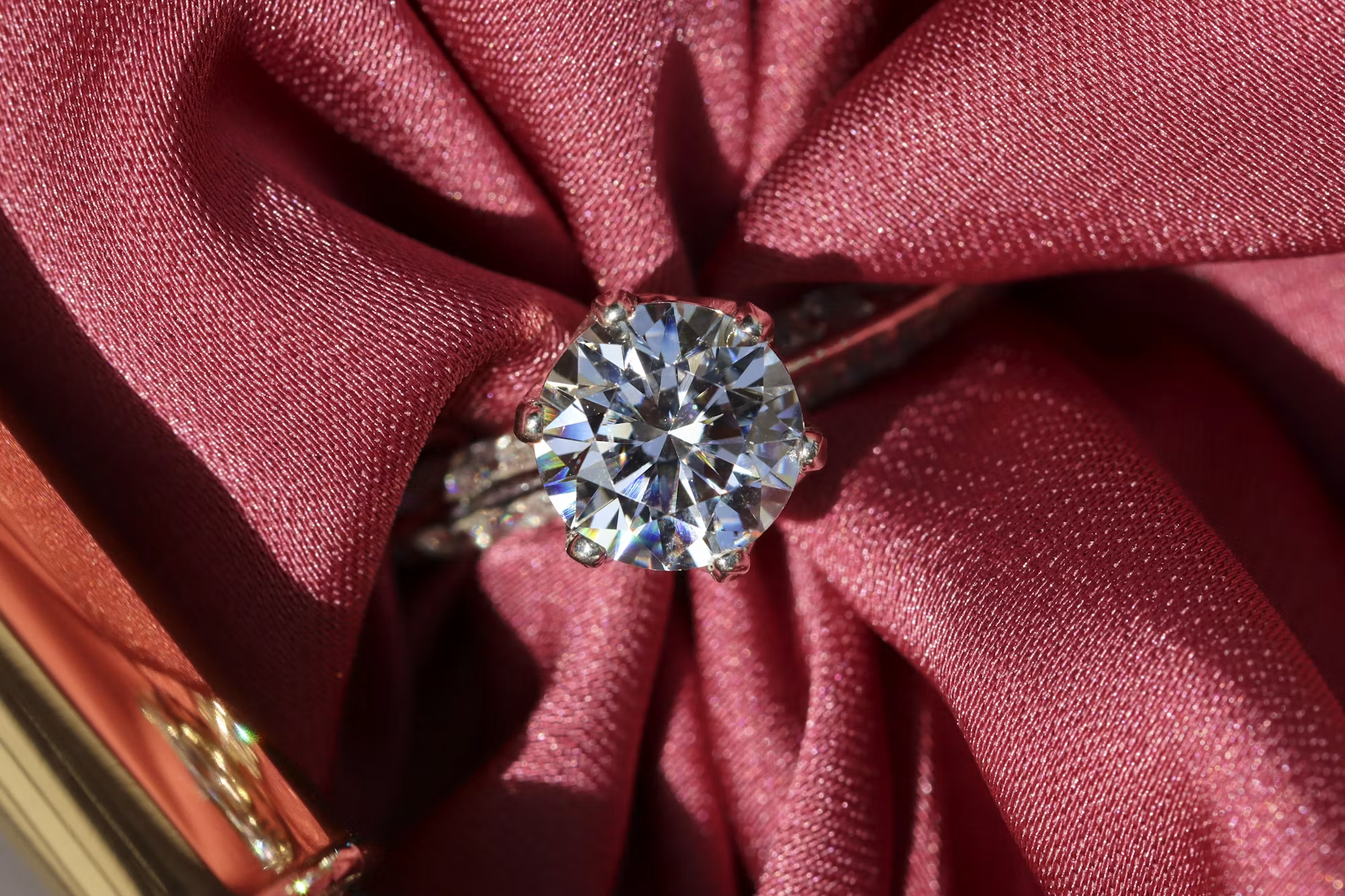
Rings are perhaps the most symbolic form of jewelry, with deep cultural and personal meaning attached to them. Historically, rings have been used to symbolize commitment, social status, and personal achievement. Engagement rings, wedding bands, and signet rings are just a few examples of rings that hold deep meaning for the wearer. Engagement rings, often set with a large gemstone like a diamond, are given as a symbol of love and commitment. Wedding bands, typically worn on the fourth finger of the left hand, are exchanged as a symbol of marriage and lifelong partnership. The tradition of wearing a wedding ring on this finger is believed to date back to ancient Rome, where it was thought that a vein in the fourth finger led directly to the heart. Rings have also been used to signify status and achievement. In medieval times, signet rings were used by nobility and clergy to seal important documents, while in modern times, rings are often used to mark milestones such as graduating from college or receiving a promotion. Aside from their symbolic meaning, rings come in a wide variety of styles, materials, and designs. From the simple elegance of a gold band to the ornate beauty of a gemstone-encrusted ring, the possibilities are endless. Rings can be worn to express personal taste, showcase wealth, or commemorate a special occasion.
Bracelets: Adorning the Wrist with Meaning
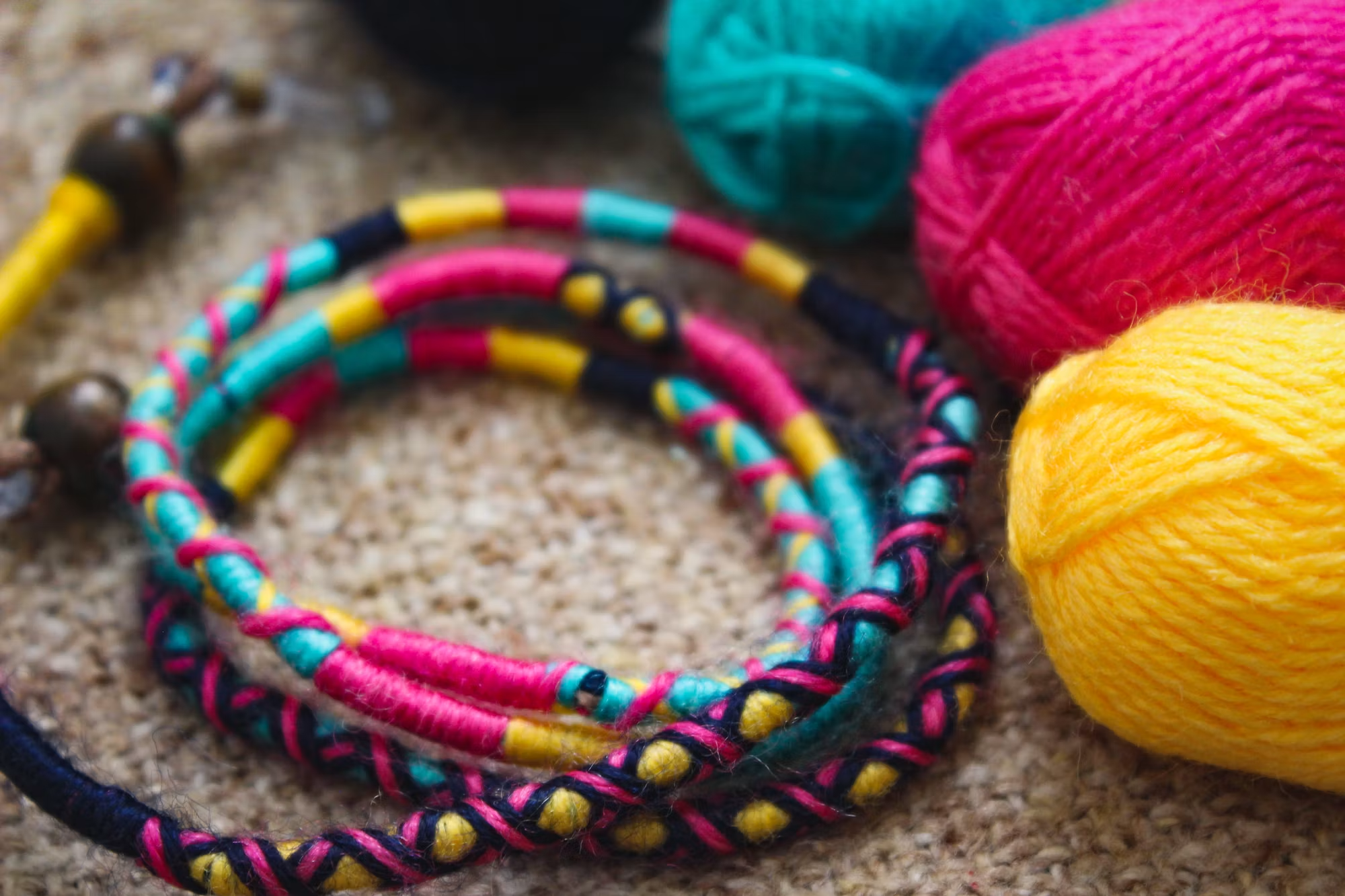
Bracelets are one of the most popular types of jewelry, worn around the wrist to add style and flair. Like many other types of jewelry, bracelets have evolved over time, serving not only as decorative pieces but also as symbols of status, culture, and personal meaning. There are many different types of bracelets, each with its own unique style and function. Bangles are solid, circular bands that are typically worn in multiples, stacked on top of one another for a more dramatic effect. Cuffs, on the other hand, are typically wider and more structured, offering a bold statement of style. Leather bracelets, which are often decorated with beads, charms, or metal accents, are a popular choice for those who prefer a more casual, bohemian look. Many bracelets are also adorned with charms, which can be symbolic or personal. Charm bracelets, for example, often feature a variety of charms that represent important life events, interests, or relationships. In addition to their aesthetic appeal, bracelets can carry deep cultural or personal meaning. In some cultures, bracelets are believed to have protective qualities, such as the evil eye bracelet, which is worn to ward off negative energy. For others, a bracelet might serve as a reminder of a loved one or a milestone achievement.
Brooches and Pins: Vintage Accessories with Modern Appeal
Brooches and pins are often considered vintage accessories, adding a touch of elegance and charm to modern outfits. Once a symbol of wealth and status, brooches were worn by both men and women in many ancient cultures. In Europe, brooches were used to fasten cloaks and garments, and during the Victorian era, they became popular as decorative pieces, often featuring intricate designs and precious gemstones. Today, brooches and pins continue to hold a special place in the world of fashion. While some people may wear them for practical purposes, such as securing a scarf or shawl, others wear brooches purely for their aesthetic value. Brooches come in many different designs, ranging from simple geometric shapes to elaborate, nature-inspired motifs. Many brooches are adorned with enamel work, gemstones, and other decorative elements that add a personal touch to any outfit. The beauty of brooches lies in their versatility. They can be pinned to jackets, scarves, hats, or even handbags, adding a touch of elegance and individuality to any ensemble.
Anklets: A Subtle Touch of Elegance
Anklets are delicate jewelry pieces worn around the ankle, and they have been used as a form of adornment for centuries. Historically, anklets have been worn by women in various cultures, often as a symbol of femininity, status, or beauty. In some cultures, anklets were worn by dancers as a way to enhance movement and create a jingling sound, adding to the sensuality of their performance. In modern times, anklets have become popular accessories, especially in warmer climates or during the summer months. Made from thin chains or beads, anklets can be worn alone or stacked with other bracelets for a more layered look. Some anklets feature small charms, bells, or gemstones, while others are designed to be minimalist and understated. Regardless of style, anklets continue to be a popular choice for those who wish to add a subtle touch of elegance to their look.