Vintage fashion has a unique charm that transcends time, capturing the essence of various eras while offering a distinctive style statement. It represents not only a nostalgic nod to the past but also a sustainable approach to fashion, as more individuals seek out one-of-a-kind pieces that tell a story. In this article, we will explore the history of vintage fashion, its resurgence in modern wardrobes, and practical tips for incorporating vintage styles into your everyday look.
The History of Vintage Fashion
The term “vintage” typically refers to clothing that is at least 20 years old, with styles ranging from the elegant silhouettes of the 1920s to the bold prints of the 1970s. Each decade has contributed unique elements to the fashion landscape, influenced by cultural shifts, technological advancements, and societal changes. For instance, the flapper dresses of the 1920s symbolize the liberation of women, while the tailored suits of the 1950s reflect post-war prosperity and stability.
Vintage fashion began to gain popularity in the late 20th century as fashion enthusiasts sought to reclaim styles from previous decades. The 1980s and 1990s saw a significant revival of interest in retro clothing, driven by a desire for individuality in a world dominated by mass production. As a result, thrift stores, flea markets, and vintage boutiques flourished, offering a treasure trove of unique finds for style-savvy shoppers.
The Resurgence of Vintage in Modern Fashion
In recent years, vintage fashion has experienced a remarkable resurgence, becoming a prominent trend in both high fashion and street style. Influencers and celebrities often showcase their vintage finds on social media, inspiring a new generation to embrace retro aesthetics. This revival can be attributed to several factors:
1. Sustainability: As the fashion industry faces increasing scrutiny for its environmental impact, many consumers are turning to vintage clothing as a sustainable alternative. By choosing pre-loved items, individuals reduce waste and promote a more eco-conscious approach to fashion.
2. Uniqueness: Vintage clothing offers a sense of individuality that mass-produced fast fashion cannot replicate. Each piece carries its own history, allowing wearers to express their personal style in a distinctive way. Fashion enthusiasts often enjoy the thrill of hunting for rare finds that set them apart from the crowd.
3. Quality and Craftsmanship: Many vintage pieces showcase superior craftsmanship and materials compared to contemporary fast fashion. Items from earlier eras were often made to last, featuring intricate details and high-quality fabrics that stand the test of time. This emphasis on quality appeals to consumers who seek durability in their clothing.
4. Nostalgia: The allure of nostalgia plays a significant role in the popularity of vintage fashion. As trends from the past re-emerge, people often seek to reconnect with their personal histories or the aesthetics of their parents’ and grandparents’ generations.
Key Elements of Vintage Fashion
When exploring vintage fashion, it’s essential to understand the key elements that define its appeal:
1. Silhouettes: Each decade boasts distinct silhouettes that reflect the fashion norms of the time. The hourglass figure of the 1950s, the oversized shapes of the 1980s, and the bohemian styles of the 1970s all offer unique options for modern wardrobes.
2. Fabrics and Patterns: Vintage clothing often features unique fabrics and prints that are less common in contemporary fashion. From delicate lace to bold florals, these materials can add a touch of personality to any outfit. Mixing vintage prints with modern pieces can create an exciting and eclectic style.
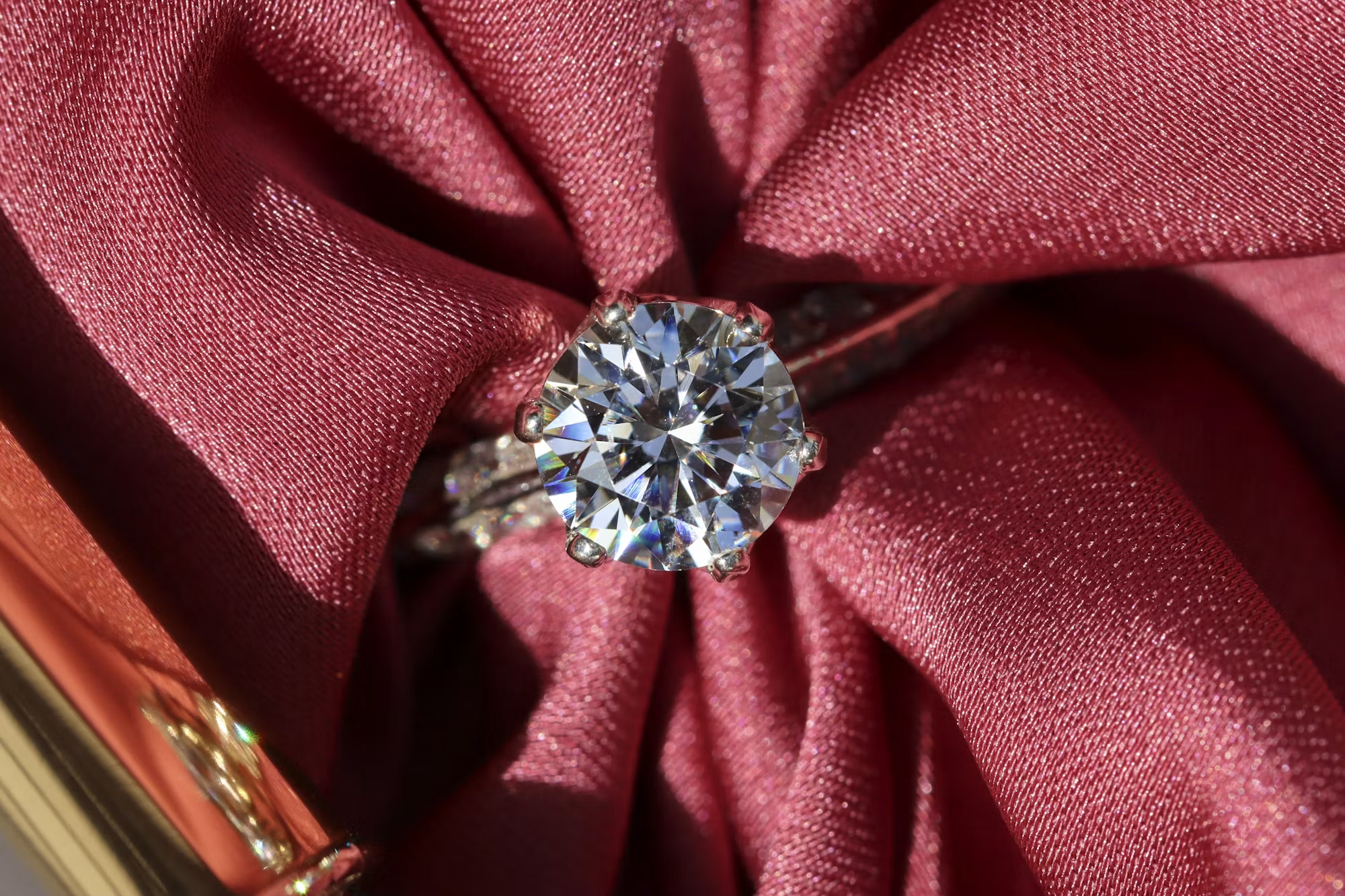
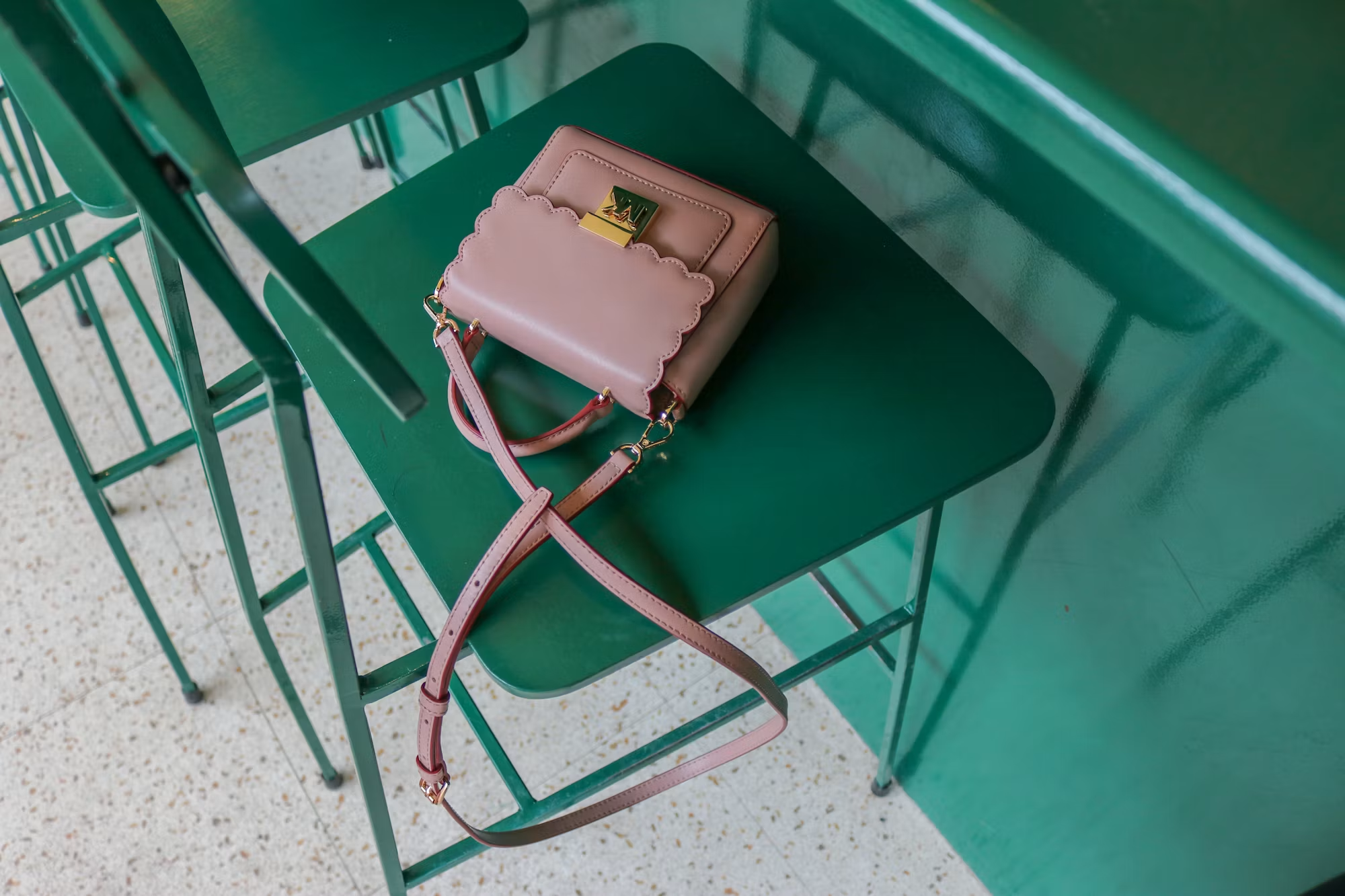
3. Accessories: Accessories are a crucial aspect of vintage fashion. Items like vintage brooches, handbags, and hats can elevate an outfit and provide a finishing touch. Incorporating these accessories into modern outfits allows individuals to pay homage to the past while remaining stylish.
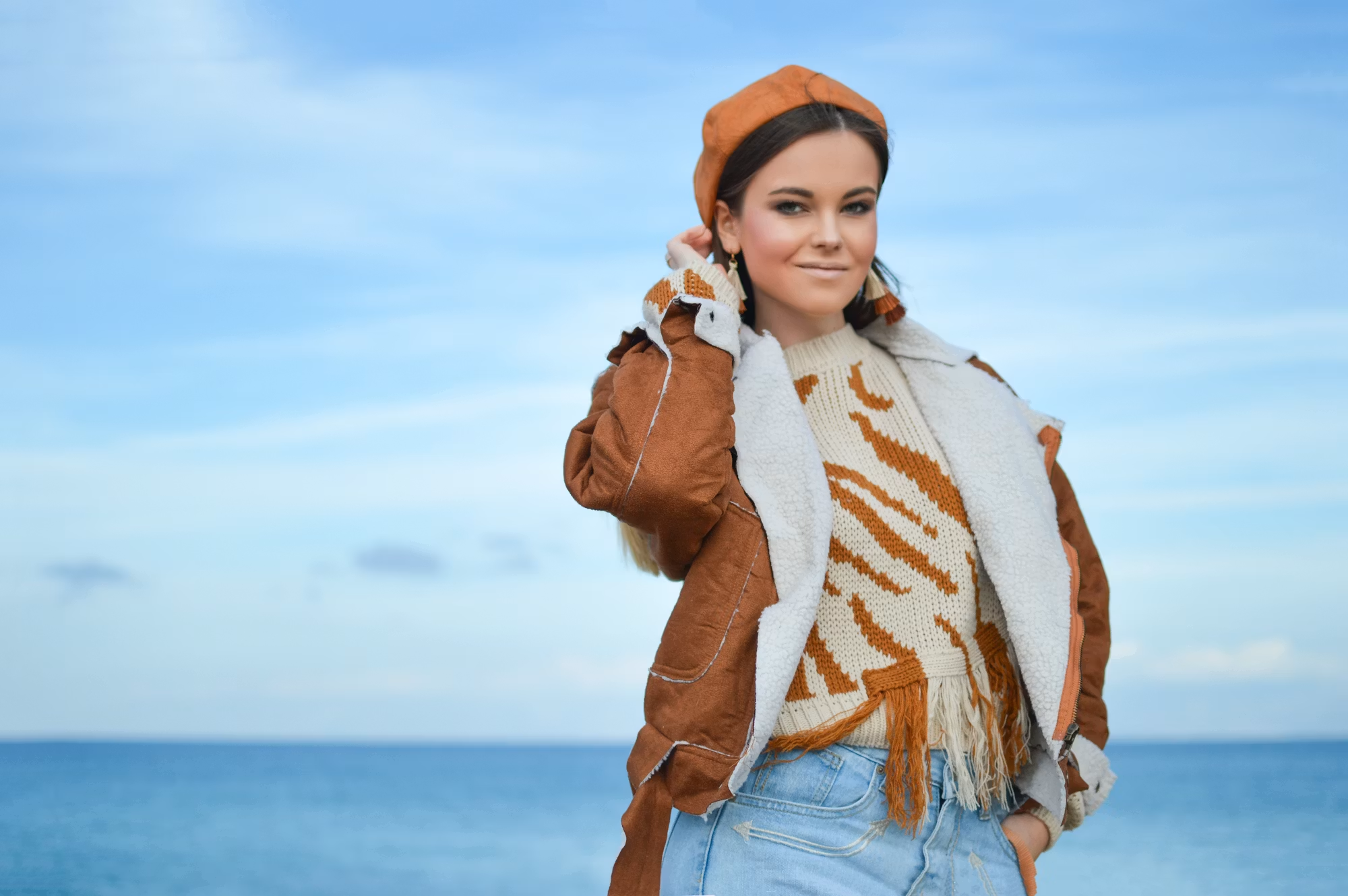
4. Layering: Vintage pieces often lend themselves well to layering, allowing for creative outfit combinations. Pairing a vintage blouse with modern jeans or layering a retro jacket over a contemporary dress can create a harmonious blend of styles.
How to Incorporate Vintage Fashion into Your Wardrobe
Incorporating vintage fashion into your wardrobe can be both fun and rewarding. Here are some practical tips to help you get started:
1. Thrift Stores and Flea Markets: Start your vintage journey by exploring local thrift stores, flea markets, and vintage boutiques. Take your time to browse through the racks and discover unique pieces that resonate with your personal style. Don’t be afraid to dig deep; hidden gems often lie beneath the surface.
2. Mix and Match: One of the best ways to wear vintage fashion is by mixing it with modern pieces. Combine a vintage dress with contemporary shoes or pair a vintage blazer with trendy trousers. This fusion of styles creates a balanced look that feels fresh and modern.
3. Tailoring: Vintage clothing may not always fit perfectly off the rack. Consider investing in tailoring to ensure your vintage pieces flatter your body shape. A few alterations can transform a good vintage find into a stunning statement piece.
4. Research Trends: Familiarize yourself with the fashion trends of different eras. Understanding the characteristics of each decade can help you identify pieces that resonate with your aesthetic. Websites, documentaries, and books on fashion history can serve as great resources for inspiration.
5. Host a Vintage Swap: Gather friends who share your love for vintage fashion and organize a clothing swap. This not only promotes sustainability but also provides an opportunity to exchange unique pieces and share styling tips with one another.
The Future of Vintage Fashion
As vintage fashion continues to thrive, its future appears promising. The trend is likely to evolve further as new generations embrace the timeless appeal of retro styles while incorporating modern sensibilities. Expect to see continued innovations in sustainable practices within the vintage sector, with brands promoting eco-friendly approaches to sourcing and selling pre-loved clothing.
Moreover, vintage fashion is likely to maintain its relevance as consumers seek to curate personalized wardrobes that reflect their individuality. The digital age has made vintage shopping more accessible than ever, with online platforms and marketplaces allowing shoppers to discover vintage treasures from around the world.
Conclusion
In conclusion, vintage fashion is more than just a trend; it is a celebration of style, sustainability, and individuality. By exploring the rich history of fashion and incorporating vintage pieces into our wardrobes, we can embrace a unique style that pays homage to the past while remaining relevant in the present. Whether you’re a seasoned vintage lover or just starting your journey, the world of vintage fashion offers endless possibilities for creativity and self-expression. So, dive into the treasure trove of the past and discover the charm of vintage fashion today.