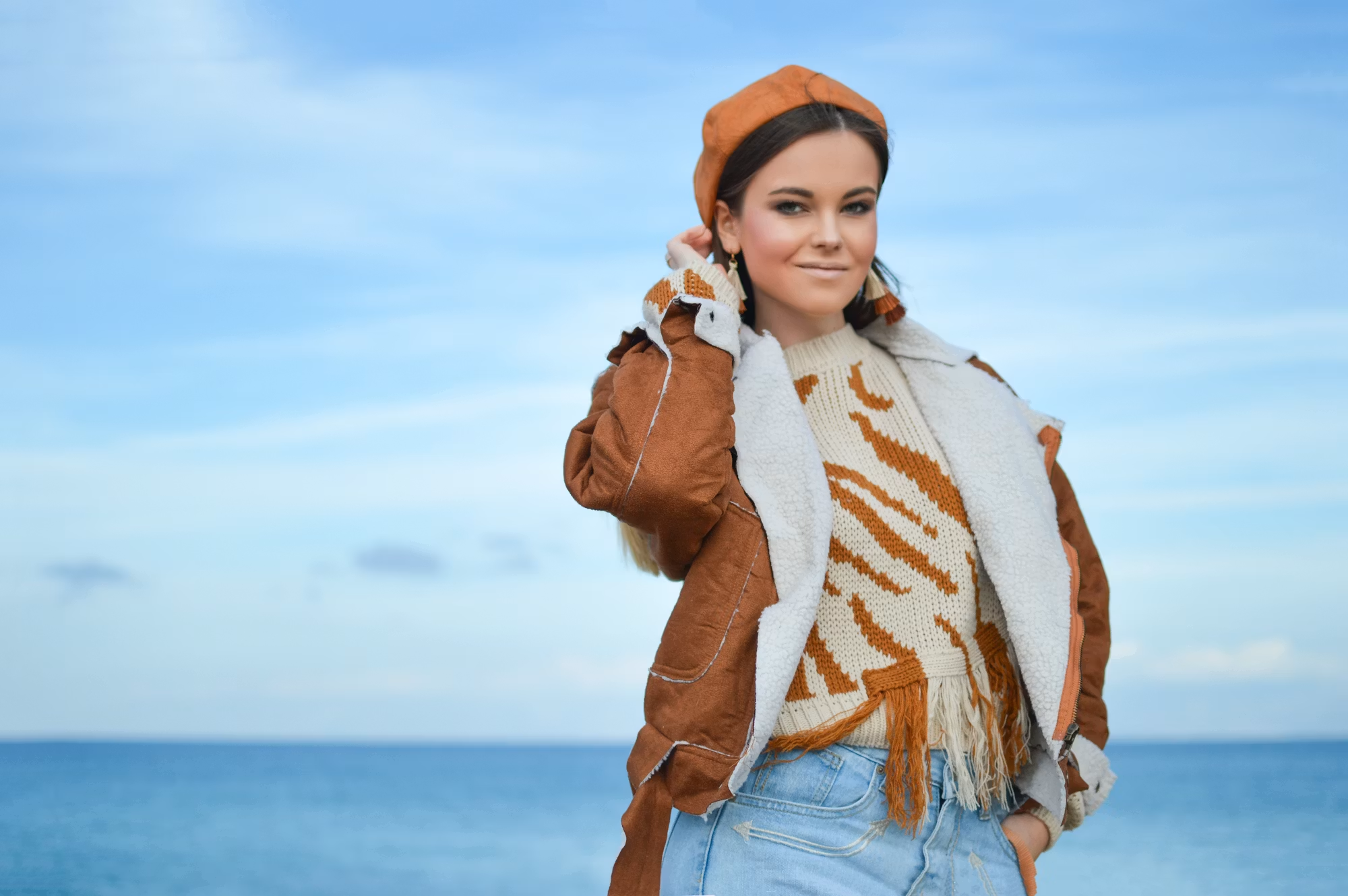
Layering is an essential skill in men’s fashion, particularly as seasons change and temperatures fluctuate. Mastering the art of layering not only allows you to adapt to varying weather conditions but also enables you to express your personal style with depth and sophistication. This guide will explore the key elements of layering, essential pieces to include in your wardrobe, and tips for creating versatile outfits that can take you from day to night.
To begin with, understanding the purpose of layering is crucial. Layering serves two primary functions: it provides warmth and adds dimension to an outfit. The key to successful layering lies in choosing the right fabrics, weights, and colors. Starting with a solid foundation, your base layer should be comfortable and breathable. T-shirts, henleys, or light long-sleeve shirts made from materials like cotton or merino wool work well as the first layer, allowing your skin to breathe while providing an initial layer of warmth.
Next, the middle layer is where you can get creative. This layer is typically used for insulation and can consist of various options, including sweaters, cardigans, or casual jackets. Opting for lightweight knits or fleece can add warmth without bulk, making it easier to move freely. A classic crewneck sweater or a stylish cardigan can be layered over a t-shirt or shirt, instantly elevating your look. When choosing colors and patterns for this layer, consider complementing your base layer while adding contrast or interest to your outfit.
The outer layer is your protective shell against the elements, which could include jackets, coats, or blazers. This layer not only provides warmth but also serves as the finishing touch to your outfit. A well-tailored blazer can elevate a casual look, while a durable denim jacket or a stylish bomber jacket can add a laid-back vibe. When selecting outer layers, think about versatility and style; neutral colors like navy, black, or olive green tend to pair well with various outfits, ensuring you can mix and match easily.
One effective technique for layering is the concept of the ‘3-2-1 rule,’ which suggests combining three layers on top and one layer on the bottom. For instance, you might wear a t-shirt, a lightweight sweater, and a blazer on top, paired with well-fitted jeans or chinos. This combination not only looks polished but also provides adaptability as the day progresses. As temperatures change, you can easily remove or add layers without sacrificing style.
When it comes to layering, proportion is key. Pay attention to the fit of each layer to avoid looking bulky. Each piece should fit well without being too tight or too loose. For example, if you’re wearing a chunky knit sweater, pair it with slimmer-fitting trousers to create a balanced silhouette. Similarly, if your outer layer is more structured, ensure that your base and middle layers are relatively fitted to avoid excess bulk.
Accessories play a significant role in the art of layering. Scarves, hats, and gloves not only serve functional purposes but also add style to your layered outfit. A lightweight scarf can add a pop of color and texture, while a beanie can provide warmth and a relaxed aesthetic. Experimenting with different accessories allows you to personalize your look and create unique combinations that express your individuality.
Seasonal transitions are the perfect time to practice your layering skills. In the fall, consider incorporating rich colors and textures such as burgundy or forest green, while in winter, opt for thicker fabrics like wool or cashmere. As spring approaches, lightweight layers become essential; lightweight jackets and breathable fabrics ensure comfort without compromising style. Transitioning between seasons can be seamless with the right layering techniques.
It’s also worth considering the impact of footwear when layering. The choice of shoes can significantly influence the overall feel of your outfit. Casual sneakers can enhance a laid-back look, while desert boots or leather loafers can elevate a more polished ensemble. In colder months, stylish boots can provide both warmth and sophistication. Ensuring your footwear complements your layers helps create a cohesive look.
Layering is not just about functionality; it’s also about creativity and experimentation. Don’t hesitate to mix patterns and textures to add visual interest to your outfit. For instance, pairing a plaid shirt with a knitted sweater can create an appealing contrast. Similarly, combining different textures, such as denim and wool, can enhance the overall aesthetic. The goal is to find combinations that resonate with your style while still being practical.
Understanding the various styles of layering can also be beneficial. The classic approach often involves structured outer layers over casual bases, creating a polished look. However, the ‘street style’ layering embraces a more relaxed vibe, with oversized pieces and eclectic combinations. Whichever style you choose, ensure it reflects your personality and comfort level.
Finally, practice is key to mastering layering. The more you experiment with different combinations, the more intuitive the process will become. Take the time to assess your wardrobe and identify key pieces that work well together. Building a capsule wardrobe with versatile, layering-friendly items can simplify the process and make it easier to create stylish outfits on a whim.
In conclusion, mastering the art of layering is essential for any man looking to enhance his wardrobe and adapt to varying climates. By focusing on the right base, middle, and outer layers, and paying attention to fit, proportion, and accessories, you can create versatile outfits that showcase your personal style. Whether you’re navigating a casual day out or dressing up for a special occasion, effective layering can ensure you look and feel your best. Embrace the creativity that comes with layering, and enjoy the process of finding combinations that reflect your unique fashion sensibility.