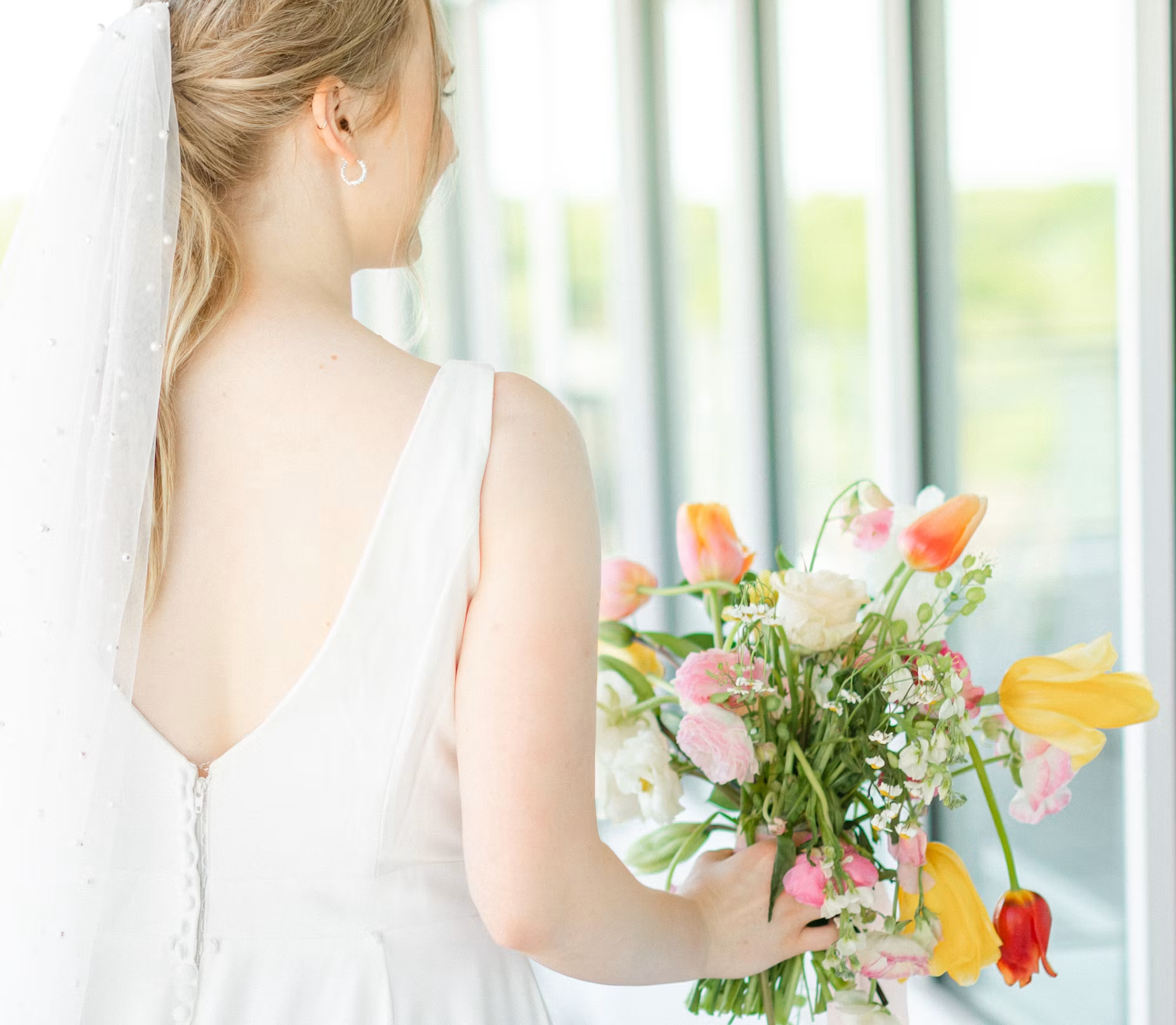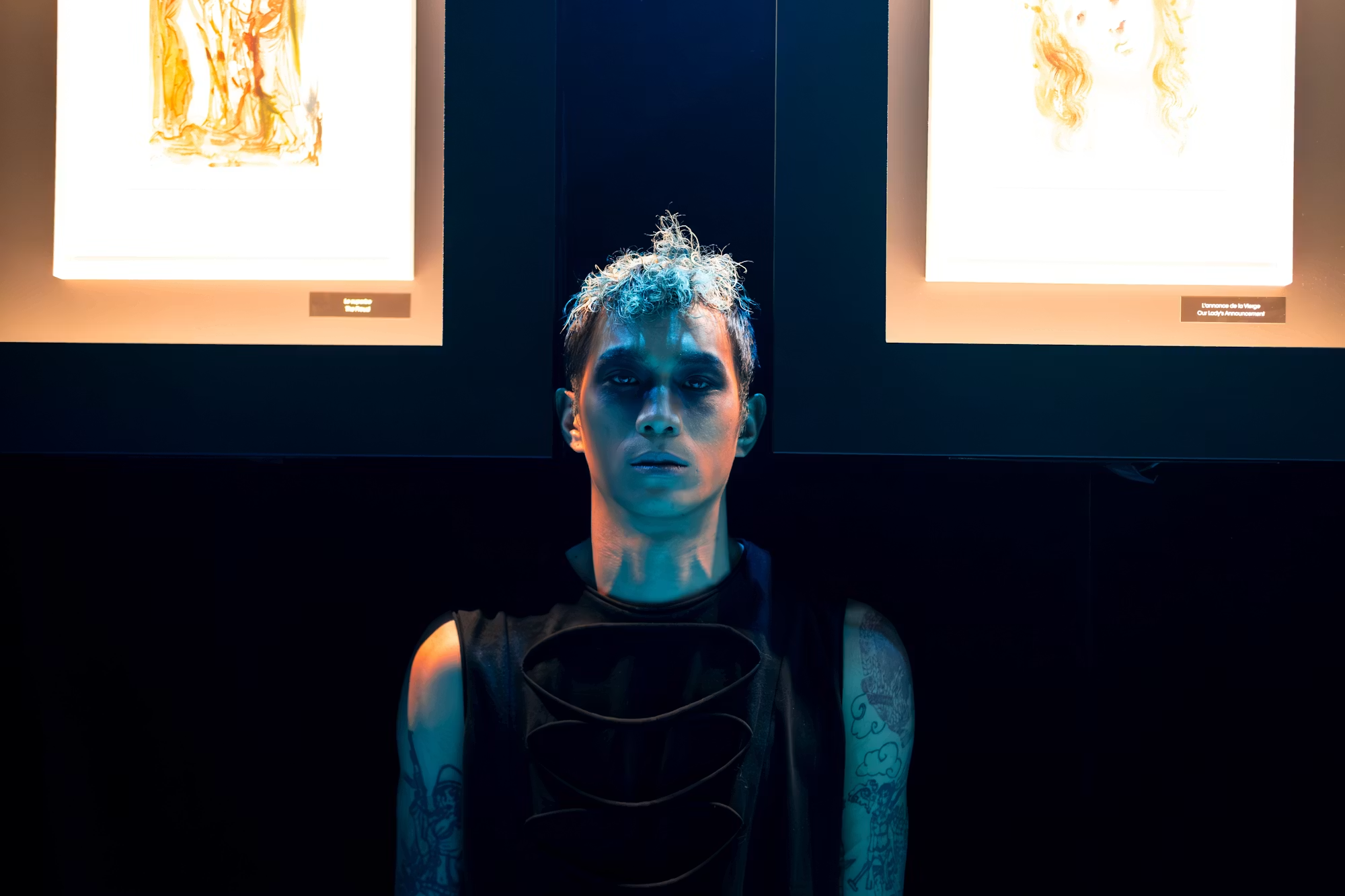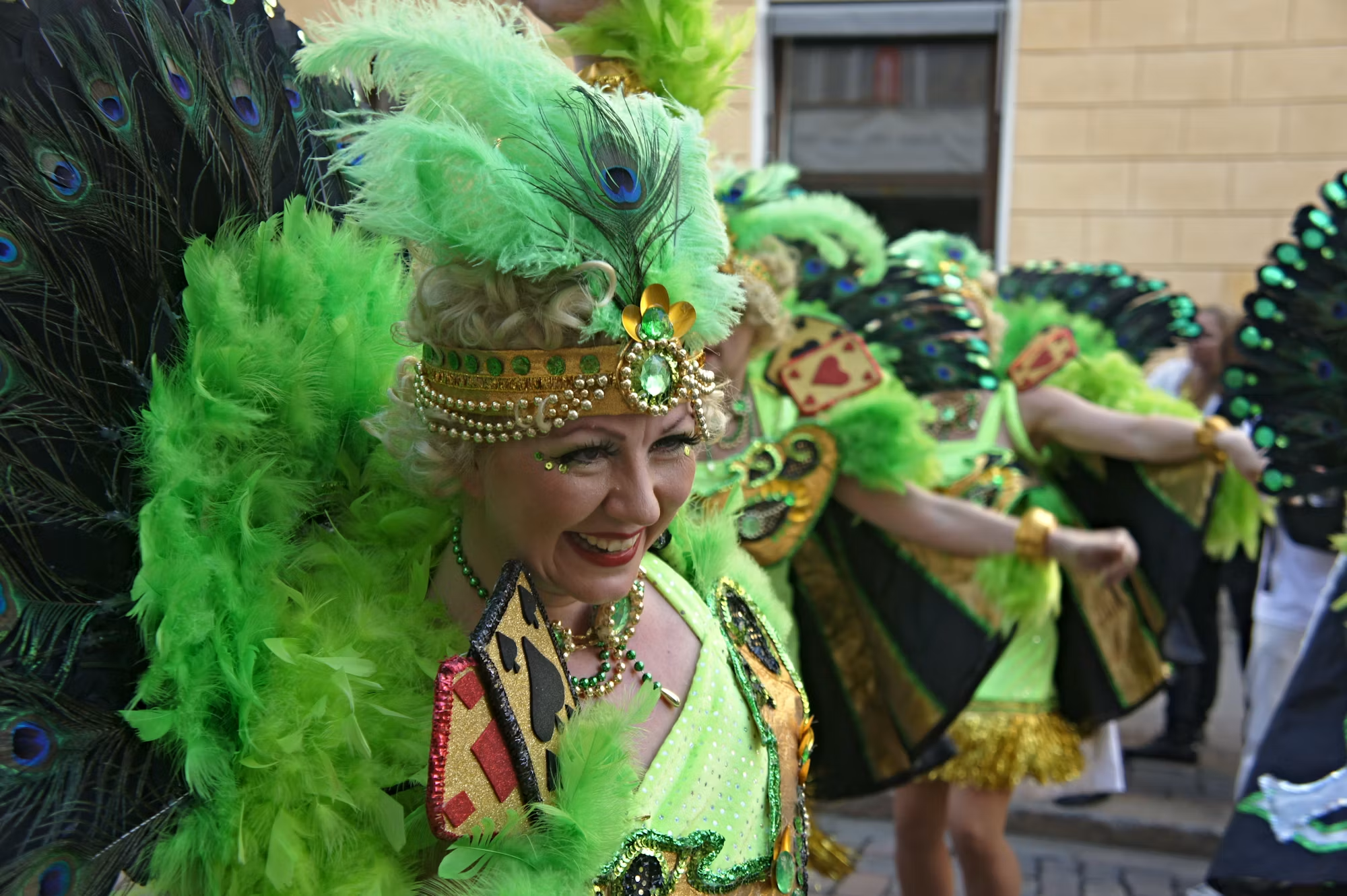
The modeling industry has long been a reflection of societal beauty standards, which have evolved significantly over the decades. From the glamorous icons of the 1950s to the diverse representations we see today, the definition of beauty has undergone a transformative journey. This article explores the evolution of beauty standards in the modeling industry, focusing on the shift towards inclusivity and diversity.
In the mid-20th century, beauty standards were heavily influenced by Hollywood glamour. Models like Twiggy and Jean Shrimpton epitomized the ‘youthful and slender’ ideal, creating a narrow definition of beauty that dominated fashion. This era celebrated a specific look, characterized by tall, slender figures and striking features, which often marginalized those who did not fit this mold. The impact of media and advertising was profound, as these images set unrealistic expectations for women and shaped societal perceptions of beauty.
As the 1980s approached, there was a noticeable shift in the industry. The rise of supermodels such as Cindy Crawford, Naomi Campbell, and Linda Evangelista introduced a new wave of beauty that embraced not only diversity in skin tone but also varying body types. This era marked a gradual expansion of beauty standards, allowing for more representation in modeling campaigns. However, while progress was being made, the overall industry still leaned towards a narrow ideal, often prioritizing specific looks over authenticity.
The turn of the millennium brought about even more significant changes. The fashion industry began to embrace a broader definition of beauty, as the influence of popular culture, including music and film, began to intertwine with fashion. With the emergence of reality television and social media, the modeling landscape shifted dramatically. New platforms allowed individuals to showcase their unique beauty, leading to a demand for models who reflected a more realistic array of body types, ages, and ethnicities.
As social media gained traction, influencers began to reshape the narrative around beauty. Platforms like Instagram became powerful tools for self-expression, giving rise to a new generation of models who celebrated individuality. This change was not just about physical appearance; it was also about personality and authenticity. Models like Ashley Graham and Winnie Harlow became prominent figures, advocating for body positivity and challenging conventional beauty standards. Their success illustrated that there is no single definition of beauty, resonating with audiences around the world.
The modeling industry responded to this cultural shift, with brands increasingly prioritizing diversity in their campaigns. Major fashion houses began to cast models of various backgrounds, sizes, and ages, recognizing that representation matters. This move towards inclusivity not only reflects societal changes but also demonstrates a commitment to embracing the rich tapestry of human experience. It has become clear that consumers are drawn to brands that celebrate authenticity and representation, fostering a sense of connection.
Furthermore, the rise of plus-size and petite modeling has significantly altered the landscape. Brands that once catered to a limited size range are now expanding their offerings to include a variety of body types, ensuring that more women can find clothing that fits and flatters. The emergence of petite models, who focus on fashion for shorter women, has also gained traction, promoting the idea that beauty comes in all shapes and sizes. This evolution is not just beneficial for consumers; it also opens doors for aspiring models who may have previously felt excluded from the industry.
Additionally, the representation of ethnic and cultural diversity has gained momentum in recent years. The modeling industry has begun to recognize the importance of showcasing different backgrounds and cultural styles. Models from various ethnicities are now celebrated for their unique beauty, contributing to a more inclusive narrative in fashion. This representation not only enriches the industry but also empowers individuals to embrace their cultural identities.
Despite the progress made, challenges remain. The modeling industry is still grappling with issues such as tokenism, where brands may include diversity in campaigns but fail to create genuine change or representation. It is essential for the industry to move beyond superficial inclusion and work towards creating a more equitable environment for all models. Authentic representation requires continuous effort, ensuring that individuals from all backgrounds are given equal opportunities and recognition.
The influence of technology continues to shape beauty standards as well. With the advent of digital editing and filters, there is a growing conversation about authenticity in modeling. Consumers are increasingly aware of the manipulated images they encounter, prompting a desire for more natural representations. Brands are responding by showcasing unretouched images and promoting authenticity in their campaigns. This trend reflects a broader societal shift towards embracing imperfections and celebrating individuality.
As we look to the future, the modeling industry stands at a crossroads. The evolution of beauty standards will continue to be influenced by cultural shifts, technological advancements, and the demand for authenticity. The journey towards inclusivity and diversity is ongoing, and it is crucial for the industry to maintain momentum in these efforts.
In conclusion, the evolution of beauty standards in the modeling industry is a testament to the power of representation and authenticity. As societal norms continue to change, the modeling landscape must adapt, embracing a wider range of beauty that reflects the richness of human experience. By prioritizing inclusivity and celebrating diverse voices, the industry can move towards a more equitable future, where beauty is not defined by narrow ideals but by the unique qualities that make each individual special.